
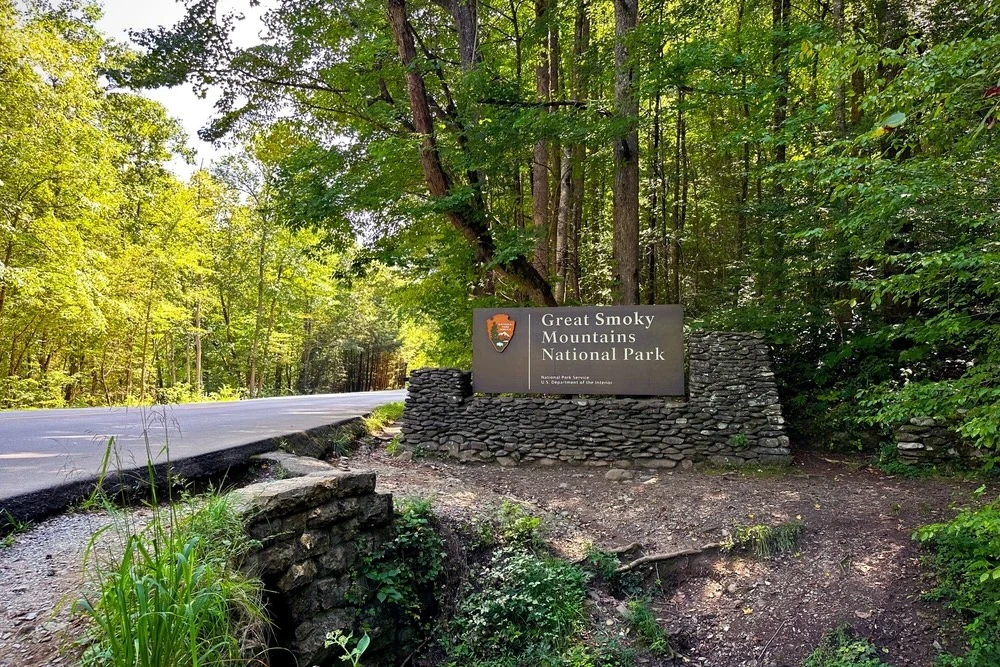
- The Gatlinburg entrance connects downtown directly to Great Smoky Mountains National Park.
- The park charges no general admission, though parking for over 15 minutes requires a valid tag.
- The Bearskin Lodge sits near the park boundary, giving guests easy access to the best of the Smokies.
- The entrance remains open 24 hours daily, though high-elevation roads can close during winter weather.
The Gatlinburg entrance to Great Smoky Mountains National Park offers a convenient way to travel from downtown Gatlinburg into the park. Whether you're planning a scenic drive, looking forward to hiking popular trails, or hoping to explore waterfalls and mountain overlooks, this entrance puts some of the area's most popular outdoor experiences within easy reach.
Located at the end of downtown Gatlinburg along Historic Nature Trail Road, the entrance provides direct access to the park's beautiful mountain scenery. Visitors can enjoy everything from leisurely walks along the river to challenging hikes and scenic drives. Plus, staying nearby at The Bearskin Lodge makes it even easier to enjoy the national park while keeping Gatlinburg's restaurants, shops, and attractions close at hand! Here's what to know about the Gatlinburg entrance to Smoky Mountains National Park:
Where is the Gatlinburg Entrance to Great Smoky Mountains National Park?
The Gatlinburg entrance to Great Smoky Mountains National Park is located at the southern end of downtown Gatlinburg, Tennessee, along Historic Nature Trail Road and Newfound Gap Road (US-441). The Sugarlands area serves as the park's northern gateway from Gatlinburg, with the Sugarlands Visitor Center located approximately two miles south of downtown. Visitors can follow US-441 into the park to reach scenic overlooks, hiking trails, waterfalls, and other popular destinations throughout the Smokies. The Sugarlands Visitor Center is an excellent first stop for anyone unfamiliar with the park. Here, you can:
- Pick up park maps and information about nearby hiking trails.
- Explore exhibits about the Smokies' wildlife, plants, and history.
- Ask park rangers for recommendations and current conditions.
- Find restrooms and browse the visitor center bookstore.
One of the best things about this entrance is its convenience. You can enjoy breakfast or coffee in downtown Gatlinburg, spend the day exploring the national park, and return to town for dinner without traveling far!
Pro Tip: Great Smoky Mountains National Park is open 24 hours a day, seven days a week, however, individual roads and facilities may close temporarily because of weather, seasonal schedules, or maintenance.
Is There a Fee to Enter Great Smoky Mountains National Park?
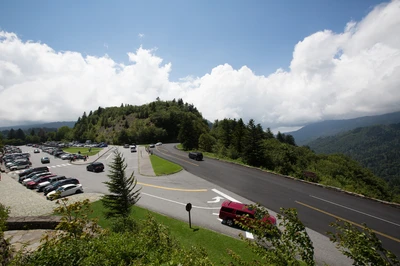
You do not need an entrance ticket or admission pass to enter Great Smoky Mountains National Park. However, the park requires a valid parking tag for any vehicle parked within park boundaries for more than 15 minutes. This requirement applies throughout the park, including parking areas at trailheads, visitor centers, scenic overlooks, and picnic areas. Even if you're only planning a short hike or stopping to take pictures, you'll need a parking tag if you park for longer than 15 minutes.
Three parking tag options are available:
- Daily Tag: $5, valid for one calendar day.
- Weekly Tag: $15, valid for seven consecutive days.
- Annual Tag: $40, valid for one year.
You can purchase parking tags online or at designated locations throughout the Smokies, including Sugarlands Visitor Center. Daily and weekly tags purchased online must be printed and displayed in your vehicle.
Are There Any Trails You Can Walk to From Downtown?
Yes! One of the most convenient ways to experience the national park from Gatlinburg is by hiking the Gatlinburg Trail. This popular trail connects downtown Gatlinburg with the Sugarlands Visitor Center, making it a great option for visitors who want to explore the Smokies without driving to a distant trailhead. The Gatlinburg Trail is approximately 1.9 miles one way, or about 4 miles round trip. It follows the West Prong of the Little Pigeon River through a beautiful cove hardwood forest, offering peaceful water views, wooded scenery, and opportunities to spot local wildlife.
Along the way, hikers can enjoy:
- River Views: Much of the trail follows the river, providing beautiful scenery and relaxing sounds of flowing water.
- Historic Chimneys: Look for the stone chimneys that remain from homes that once stood in the area before the national park was established.
- Wooded Scenery: Walk in the shade beneath a canopy of trees and enjoy the natural beauty of the Smokies.
The Gatlinburg Trail is also one of only two trails in Great Smoky Mountains National Park where dogs are permitted, making it a particularly convenient option for visitors traveling with their four-legged companions. The trail is generally considered an easy hike, although some sections include uneven ground, roots, and steeper areas. Wear comfortable walking shoes and bring water, especially if you plan to complete the entire round trip!
What are the Best Spots in the Smokies to Explore Near Gatlinburg?
The Gatlinburg entrance provides access to several beautiful areas of Great Smoky Mountains National Park. Whether you enjoy hiking, scenic drives, waterfalls, or mountain views, there are plenty of places to explore just a short drive from downtown. Here are a few popular destinations to add to your itinerary:
Sugarlands Valley Nature Trail
If you're looking for a short, easy walk, Sugarlands Valley Nature Trail is a great place to start. This paved, half-mile loop takes visitors through a peaceful forest setting with streamside views, historic stone chimneys, and interpretive features along the way. Its relatively flat surface makes it a good option for families and visitors who want to enjoy the outdoors without committing to a longer hike!
Cataract Falls
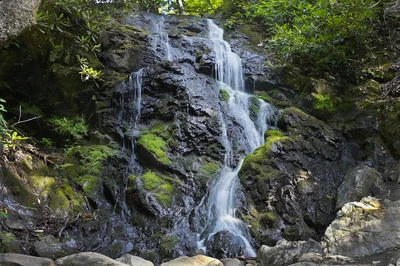
Cataract Falls is a small but beautiful waterfall located near Sugarlands Visitor Center. The Cataract Falls Trail is approximately 0.7 miles round trip and follows a wooded path to the falls, and it is a nice addition to your day if you're already visiting the Gatlinburg entrance or exploring the nearby hiking trails. The short distance makes it an approachable outing for families and visitors looking for a relaxing nature walk.
Roaring Fork Motor Nature Trail
If you want to experience more of the Smokies without spending the entire day hiking, Roaring Fork Motor Nature Trail is a wonderful option. This scenic drive takes visitors through a historic mountain community surrounded by forests, streams, and mountain scenery. Along the route, you'll find opportunities to see historic log cabins, old farm structures, rushing streams, and beautiful natural surroundings. Several hiking trails also branch off from the road, including access to popular waterfall hikes! Roaring Fork Motor Nature Trail is typically open seasonally and closes during winter.
Enjoy Convenient Access to the Smokies at The Bearskin Lodge
The Gatlinburg entrance to Great Smoky Mountains National Park makes it easy to experience the best of the Smokies while enjoying everything downtown Gatlinburg has to offer. From scenic drives and peaceful nature trails to waterfalls and breathtaking mountain overlooks, there's something for every type of outdoor enthusiast. And, of course, when you stay at Bearskin Lodge on the River, you can enjoy a convenient location near the park entrance, putting you close to some of the area's most popular outdoor experiences. Ready to plan your Smoky Mountain getaway? Book your room at our Gatlinburg hotel right here!